

Research
The Psychology Department has determined that an integral part of studying psychology is participating and conducting psychological research.Psychology Research at UCCS
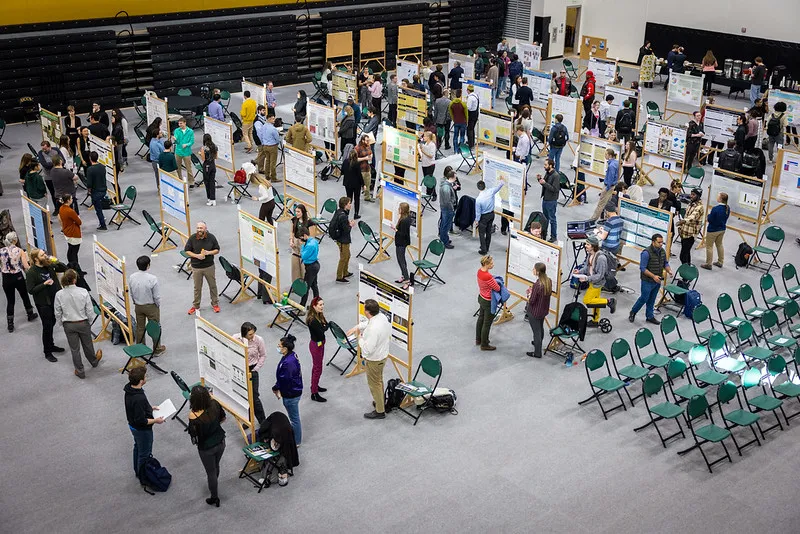
Research is defined as “a systematic investigation, including research development, testing and evaluation, designed to develop or contribute to generalizable knowledge.”
This includes:
- activities intended to lead to published results.
- research with human subjects covered by the UCCS Institutional Review Board (IRB) Policy and Procedures.
- research projects for graduate theses and dissertation research, and undergraduate honors.
Sona Research Participation System
Participants will use the Sona System to participate in studies. UCCS students enrolled in PSY 1000 - General Psychology courses are required to participate in research as part of the final grade. Psychology course extra credit can be earned for participating in studies through the Sona System.
Aging and Mental Health Lab
The lab's research targets topics in the area of mental health and aging, including diagnostic and assessment issues in clinical psychology and geropsychology, suicide resilience and aging, anxiety and aging, barriers to mental health services, and the expression and impact of personality disorders across the lifespan.
Architecture of the Mind Lab
The Architecture of the Mind Lab investigates the structure and function of mental systems and how they generate behavior. We approach the mind as a set of functionally organized systems shaped by evolution, drawing on principles from evolutionary biology, cognitive science, and psychology to characterize how the mind works and why it works that way.
ATLAS Lab
Exploring, mapping, and navigating a person’s unique suicide risk terrain.
ATLAS is a suicide prevention research lab, established by Dr. McGraw. The mission of ATLAS is to reduce suffering and help people build lives worth living by advancing the science and practice of suicide prevention. Members of ATLAS partner alongside individuals to explore and map their unique risk for suicide, equipping them with the skills to safely navigate future periods of acute crisis.
Behavior and Affect Underlying Emotion Research (BAUER) Lab
The Behavior and Affect Underlying Emotion Research (BAUER) Lab uses a multimethod approach to better understand cognitive and affective mechanisms underlying emotion processing. Using electroencephalography (EEG) and peripheral psychophysiology, we hope to better explain how emotion-based processes work, with the goal of applying this knowledge to better understand and characterize anxiety, depression, and PTSD.
Behavioral Medicine and Aging Lab
Our lab is dedicated to understanding the role of behavior and the environment in the development and management of important clinical concerns associated with aging (e.g., mood disorders, chronic illnesses, challenging behaviors associated with dementia). Our research has a particular focus on the intersection between health and mental health, including such disorders as depression and diabetes, insomnia, and cognitive impairment.
Benight Lab
Dr. Benight's research lab interests include the following:
- Human adaptation from trauma
- Recovery from natural disasters, man-made disasters, motor vehicle accident trauma, sexual abuse, domestic violence, and bereavement
- Social Cognitive Theory as it relates to trauma and resilience
Bistricky Lab
Dr. Bistricky’s research lab interests include the following:
- Cognitive, emotional, and interpersonal factors associated with adaptation, growth, and well-being following trauma and other significant adversity
- Preferences, intervention development, and outcomes related to the use of self-regulation strategies, such as mindfulness, self-compassion, reappraisal, and acceptance
- Increasing accessibility and acceptability to catalyze, complement, and improve existing interventions
- Understanding and optimizing synergistic relations between mental health and sleep
Cognitive Development Lab
The Cognitive Development Lab at UCCS explores the development of memory in children and adolescents. For families who are interested in participating, please visit our Participate page to learn more.
Colorado Anthrozoology Lab (CAL)
CAL's research examines how people perceive, understand, and make decisions about animals. We are especially interested in beliefs about animals’ emotional lives: whether people see animal emotions as simple or complex, instinctive or authentic, human-like or meaningful in their own right.
Littleton Lab
Dr. Littleton’s research lab interests include the following:
- Examining the role of social cognitive factors, including coping behaviors, social support, disclosure responses, and attributions, in adjustment following trauma
- The experiences of survivors of sexual assault, mass shootings, natural disasters, and intimate partner violence
- Leveraging technology to deliver efficacious intervention and prevention programming, as well as to assess victimization risk behavior and adjustment among trauma survivors
- How experiences with discrimination at the individual and institutional levels affects sexual, gender, and racial/ethnic minority individuals’ vulnerability to, and recovery from, violence
Pathways from Early experience to Regulation and Child Health Lab (PERCH)
Pathways from Early experience to Regulation and Child Health Lab - The PERCH Lab is dedicated to understanding how different experiences impact children and their families. Our world is filled with a range of positive and challenging experiences, and we seek to understand how these challenging experiences can ‘get under our skin’ and what can help protect individuals who are faced with challenges such as community and family violence, poverty, illness, and loss. Ultimately, our work tries to understand these processes in order to inform the development and implementation of effective prevention, intervention, and policy efforts to help children, their families, and their communities.
Stress, Aging, and Emotion (SAGE) Lab
The Stress, Aging, and Emotion (SAGE) Lab is a clinical geropsychology research lab. Aging is associated with a unique set of stressors and age-related declines, many of which are uncontrollable. Despite these challenges, individuals often report positive emotional well-being into late life. The ultimate goal of the SAGE Lab is to better understand when and how older adults maintain positive health and well-being in the face of stress.
Weiskittle Lab
The Weiskittle Lab conducts basic and applied research to develop evidence-based clinical innovations that are directly informed by the self-reported needs of the targeted clinical population. Clinical innovations recently developed by the Weiskittle Lab have focused on caregivers, socially isolated older adults, and individuals who have experienced traumatic loss, among others.
Feliciano Behavioral Medicine and Aging Lab
About me: I am a full professor in the Psychology Department and member of the College of Letters, Arts, & Sciences. I am a clinical geropsychologist with a focus on mental health and aging. As a faculty member at UCCS, my role is split between research, teaching, and service. I have spent the last 20+ years working with underserved populations. My research and clinical program target several important clinical problems associated with aging including medical issues that have a behavioral component (e.g., dehydration, diabetes, insomnia), depression, sleep, and cognitive impairment. This research involves an exploration of how psychological, behavioral, and environmental factors may contribute to the development and management of physical and mental health conditions associated with aging and impact well-being. Much of my work has involved applied interventions aimed at decreasing challenging behaviors, improving the management of chronic illnesses, and enhancing the quality of life of our middle-aged and older adults. This research can be challenging, but oh so rewarding!
Students in the lab: Lab size varies from year to year as students go on to internships or other PhD programs. Currently, my students are working on a range of projects related to anticipatory grief in caregivers; using virtual reality interventions with individuals with dementia; sleep disturbances; risk and protective factors for developing Alzheimer's or other types of dementia; ageism; depression and diabetes; and other important topics associated with mental health and aging.
Research Tools
Research Mentoring Forms
Mentor–Graduate Trainee Expectations Agreement
This agreement is intended to outline the parameters of our work together on this research project. As the project evolves, it will be important to revisit the proposed goals at regular intervals.
Mentoring Plan
The Mentoring Plan is designed as a template to be individualized by each mentee/trainee and mentor when they begin work together and revisited at least yearly. The goal of the template is to formalize the plan for the research mentoring relationship. It is designed to help communicate goals, expectations, and needs for a trainee to gain technical, scientific and professional skills as well as exposure to career paths and job functions necessary for developing a successful career.
Mentorship Agreement Template
The purpose of this template is to assist you in documenting mutually agreed upon goals and parameters that will serve as the foundation for your mentoring relationships. While mentors and mentees may find mentorship agreements to be useful, they are optional. This template is expected to be to meet individual needs.
Mission Statement
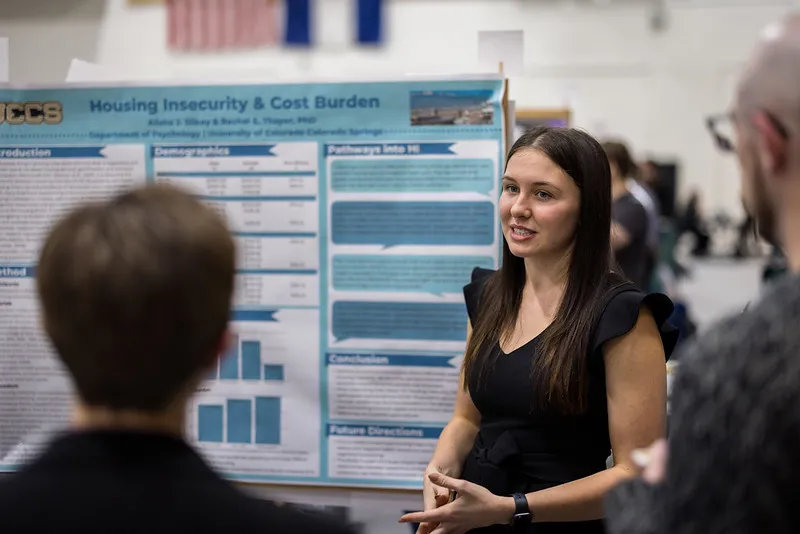
The Department encourages and supports innovative research and scholarship by faculty and students. Conducting research on basic and applied questions relevant to the biological, social, and psychological functioning and well-being of humans and nonhumans is critical to our mission. Such research should occur in an atmosphere of free inquiry, rigorous science, and adherence to ethical guidelines.